Feeding Your Dachshund Puppy: What You Should Know
Feeding a Dachshund puppy is an important part of helping them grow into a healthy, confident adult dog. Dachshunds are small, energetic, and full of personality, so giving them a good feeding routine from the start can make a big difference in their development. Whether you’re welcoming your first puppy or adding another long-bodied friend to your family, understanding the basics of feeding will help create a smooth and happy routine.
Choosing the Right Puppy Food
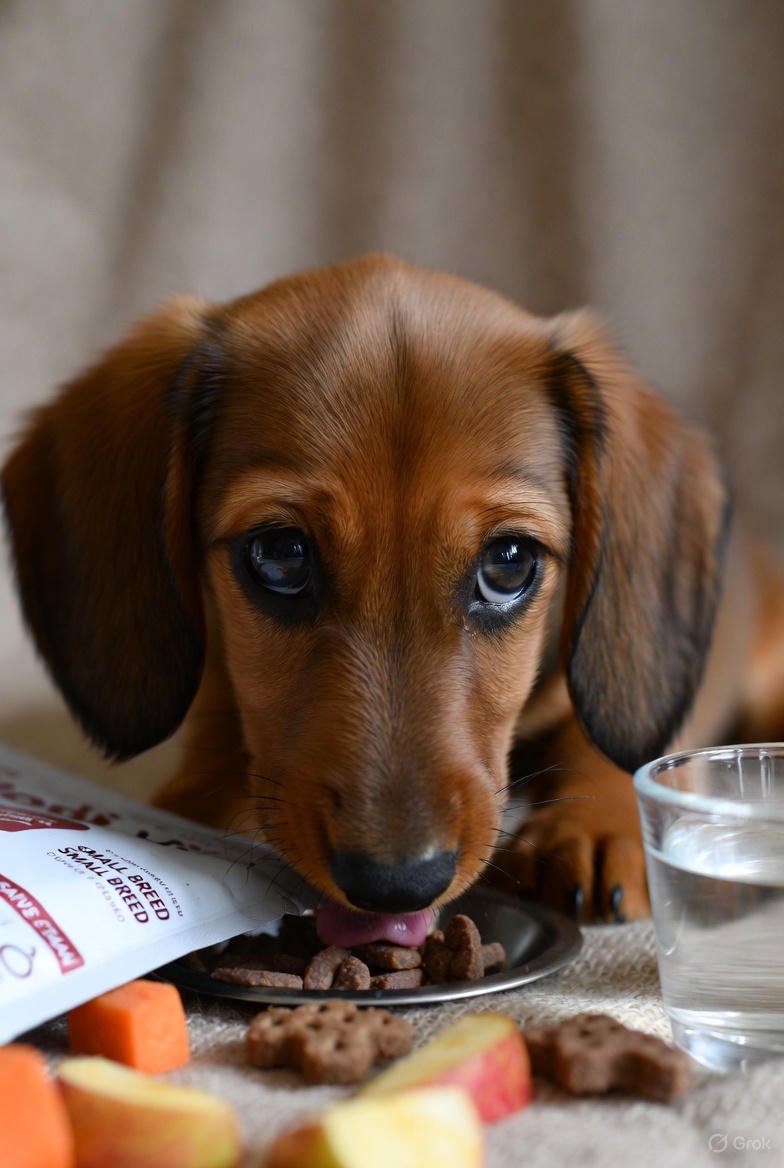
When selecting food for your Dachshund puppy, look for options made specifically for small-breed puppies. These foods are usually crafted to match the needs of small dogs, who grow quickly and have lots of energy. Check the packaging for mentions like “small breed puppy” or “puppy formula.” These foods usually have smaller kibble pieces that are easier for a puppy’s tiny mouth to chew.
It also helps to choose a reputable brand that lists real meat as one of the primary ingredients. Many families prefer starting with food that includes chicken, beef, turkey, or salmon. If your puppy comes from a breeder or previous home where they already ate a specific food, it’s a good idea to continue with the same type at first. Sudden changes can sometimes upset a puppy’s stomach.
Establishing a Feeding Schedule
A routine is extremely helpful for Dachshund puppies. They learn quickly when they expect meals, and a consistent schedule helps them feel secure. Most families feed their puppies multiple small meals a day, spaced evenly from morning to evening. Keeping mealtimes steady helps with many things: it supports digestion, gives the puppy predictable structure, and even makes house-training easier.
Place the food bowl in a calm spot where your puppy can eat peacefully without distractions. Puppies may get excited easily, so a quiet area helps them eat comfortably.
Paying Attention to Your Puppy’s Behavior
Every puppy is unique. Some finish their meals quickly, while others take more time. Watch your Dachshund’s behavior during and after meals. If your puppy seems energetic, happy, and comfortable after eating, that’s usually a good sign the routine is working well.
If your puppy leaves food behind or seems uninterested in eating at certain times, it may simply be that they’re adjusting to a new environment. Many puppies need a few days to settle into a new home. Keeping mealtimes peaceful and predictable helps them relax.
Healthy Treat Habits
Treats can be a fun part of bonding and training, but they should be given thoughtfully. Dachshunds are small dogs, so it doesn’t take much for treats to add up. Try to give treats mainly during training sessions or special moments, and keep them small. You can also break larger treats into tiny pieces so your puppy can enjoy them without getting too much at once.
Safe Foods and What to Avoid
There are many safe and enjoyable foods that puppies can try as occasional additions—such as plain carrots or a nibble of apple (without seeds). However, there are also foods that puppies should avoid completely. For example, foods like chocolate, onions, grapes, and anything heavily seasoned are not safe for dogs. When in doubt, always stick to puppy food or simple dog treats.
Fresh Water Matters
While feeding is important, hydration matters just as much. Your Dachshund puppy should always have access to fresh, clean water throughout the day. Puppies play, explore, and run around, so they need plenty of water to stay comfortable.
Watching Them Grow
One of the most enjoyable parts of raising a Dachshund puppy is watching how quickly they grow and change. As they get older, their food needs will shift. When you notice your puppy getting close to adulthood, you can start planning the transition to adult small-breed food. It’s always a good idea to reach out to a responsible adult or a professional if you want guidance during this change.